
Common Makeup Removal Mistakes That Damage Skin: Complete Guide
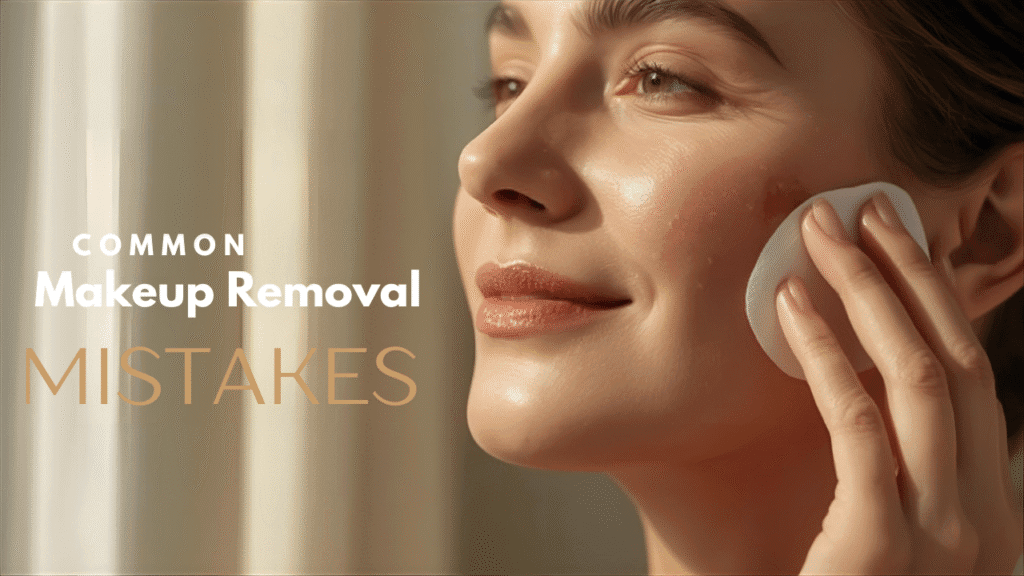
Removing makeup seems simple, but it is one of the most crucial steps in maintaining healthy skin. Improper makeup removal can silently damage your skin over time. Many people believe that a quick wipe or splash of water is enough, but makeup, sunscreen, dirt, and pollution particles need proper removal. Neglecting this step or making common mistakes can lead to clogged pores, breakouts, premature aging, irritation, dryness, and dullness.
This guide explores the most frequent makeup removal mistakes, explains why they harm your skin, and provides expert tips and safe alternatives for clean, healthy, and radiant skin.
1. Not Removing Makeup Completely
A common mistake is thinking “just a wipe is enough”. Even a thin layer of leftover makeup can:
- Clog pores, leading to blackheads, whiteheads, and acne
- Reduce the effectiveness of skincare products, such as serums or night creams
- Cause dull, uneven skin tone, as the skin cannot breathe and repair itself overnight
Solution: Use a double cleansing method. Start with an oil-based cleanser to dissolve makeup, sunscreen, and dirt, followed by a gentle water-based cleanser to remove residues and impurities. This method is particularly effective for heavy makeup, waterproof mascara, and full-face foundation.
2. Using Harsh Cleansers
Using cleansers that contain sulfates, alcohol, or strong fragrances can strip the skin of its natural oils. This is especially harmful for dry or sensitive skin. Effects include:
- Skin dryness and tightness
- Redness and irritation
- Flaky texture that can make makeup application uneven the next day
Solution: Opt for gentle, hydrating cleansers that suit your skin type. Cream, milk, or oil-based cleansers are ideal for dry skin, while gel-based cleansers work for oily or combination skin. Avoid cleansers that foam excessively, as they can be too harsh.
3. Rubbing or Tugging at the Skin
Many people rub their face aggressively to remove stubborn makeup. This can:
- Stretch delicate skin, leading to premature fine lines and wrinkles
- Cause redness and irritation
- Damage the skin’s protective barrier, increasing sensitivity
Solution: Always use a soft cotton pad or microfiber cloth. Apply makeup remover and gently press and wipe instead of scrubbing. For waterproof eye makeup, hold the remover on your lashes for a few seconds before wiping to dissolve makeup without tugging.
4. Skipping Eye Makeup Removal
The eye area has very thin and delicate skin. Skipping proper removal can cause:
- Eye irritation and redness
- Styes or infections
- Premature wrinkles around the eyes due to repeated rubbing
Solution: Use a gentle eye makeup remover or micellar water. For waterproof mascara or eyeliner, an oil-based remover works best. Always dab and wipe gently instead of rubbing back and forth.
5. Using Makeup Wipes Alone
While convenient, makeup wipes:
- Often leave residue, especially around the eyes and hairline
- Can contain chemicals that irritate the skin or dry it out
- Do not clean deep pores, allowing dirt and bacteria to remain
Solution: If using wipes, always follow up with a double cleanse using a gentle cleanser. Think of wipes as a pre-cleanse rather than a full cleaning step.
6. Ignoring Lips and Neck
Many people forget that makeup can extend beyond the face. Lipstick, foundation, and sunscreen residue on lips and neck can:
- Cause dry, chapped lips
- Lead to uneven skin tone on the neck
- Contribute to early signs of aging in the neck area
Solution: Always wipe lips and neck gently. Apply a hydrating lip balm and moisturizer to the neck afterward.
7. Sleeping with Makeup
Sleeping without removing makeup is one of the worst habits. Overnight residue:
- Clogs pores and causes breakouts
- Reduces skin regeneration and collagen production
- Leads to dull, uneven skin tone
Solution: Make makeup removal a non-negotiable nightly routine. Keep products handy for late nights and prioritize skin health over convenience.
8. Over-Exfoliating After Makeup Removal
Exfoliating helps remove dead skin cells, but doing it immediately after heavy makeup removal can:
- Strip away natural oils
- Irritate and redden the skin
- Make skin more sensitive to sun exposure
Solution: Exfoliate 1–2 times a week and avoid exfoliating immediately after makeup removal. Gentle chemical exfoliants like lactic acid are safer than harsh physical scrubs.
9. Using Dirty Tools
Using dirty makeup brushes, sponges, or cotton pads can:
- Spread bacteria, causing breakouts and irritation
- Lead to eye infections if used near the eyes
- Reduce the effectiveness of skincare products
Solution: Clean your tools weekly. Replace sponges regularly and always use clean cotton pads for makeup removal.
10. Not Following Up With Skincare
Removing makeup is not the final step. Skipping post-cleansing skincare can lead to:
- Dry, tight, and flaky skin
- Reduced skin elasticity over time
- Increased sensitivity and susceptibility to environmental damage
Solution: After cleansing, apply:
- Hydrating toner
- Serum targeting skin concerns
- Moisturizer for hydration
- Optional night cream or facial oil for extra nourishment
11. Using Products Unsuitable for Your Skin Type
Using the wrong remover for your skin type can backfire:
- Oily cleansers on dry skin → Tight, flaky feeling
- Heavy oils on acne-prone skin → Clogged pores
- Alcohol-based wipes on sensitive skin → Redness and irritation
Solution: Use products suited for your skin type. Patch-test new products before full use.
12. DIY Mistakes
Some DIY remedies, like toothpaste, baking soda, or lemon juice, can cause:
- Damage to the skin barrier
- Redness, burning, or irritation
- Pigmentation issues
Solution: Stick to dermatologist-approved cleansers or gentle oils. Avoid harsh DIY experiments, especially around eyes and lips.
13. Symptoms of Improper Makeup Removal
Signs that your makeup removal routine may be harming your skin:
- Breakouts or clogged pores
- Dry, tight skin or flaky patches
- Redness and irritation
- Premature fine lines
- Dull, uneven skin tone
If these appear, re-evaluate your routine immediately.
14. Tips for Healthy Makeup Removal
- Double Cleanse: Oil-based remover + gentle cleanser
- Gentle Touch: Press and wipe, don’t scrub
- Eye & Lip Care: Use suitable removers
- Hydrate Post-Cleansing: Toner, serum, moisturizer
- Clean Tools: Wash brushes, sponges, and pads regularly
- Avoid Harsh DIY Remedies
- Consistency: Never skip nightly removal
15. Sample Night Routine
- Apply oil-based remover on face and eyes
- Gently wipe with cotton pad
- Cleanse with hydrating cream or foam cleanser
- Tone with alcohol-free toner
- Apply serum or facial oil
- Finish with moisturizer or night cream
16. Final Thoughts
Proper makeup removal is as important as applying makeup itself. Avoiding these common mistakes prevents breakouts, irritation, dryness, and premature aging. By following a gentle, consistent, and skin-type-appropriate routine, you can maintain healthy, hydrated, and radiant skin.
Remember, healthy skin is the best foundation for flawless makeup. Treat your skin kindly, remove makeup properly, and nourish it daily for long-term glow.