Essential Hygiene Checklist for Makeup Artists (2026 Guide)
Introduction
In the beauty industry, hygiene is not optional — it’s essential. Whether you’re doing bridal makeup, party glam, or photoshoot looks, your clients trust you with their skin. A single unhygienic habit — like using a dirty brush or sharing lip products — can cause breakouts, infections, or even allergic reactions.
Maintaining proper hygiene not only protects your clients but also builds your reputation as a professional makeup artist who truly cares about safety and quality.
In this detailed guide, we’ll go through a complete hygiene checklist for makeup artists, covering everything from brush sanitization to personal grooming and workstation setup.
Before touching your makeup kit, your own cleanliness should come first. A neat appearance shows professionalism and sets a positive tone for the client.
Personal Hygiene Checklist:
Clean hands: Wash with antibacterial soap before and after every client.
Short nails: Keep them trimmed and clean — long nails can trap dirt and bacteria.
Fresh breath: Use mouthwash or mints, especially for close-up work.
Deodorant: Apply mild, non-irritating deodorant.
Hair: Keep your hair tied back neatly.
Avoid perfume: Strong scents may irritate sensitive clients.
Wear clean clothes: Prefer light, professional attire (like black outfits used by artists).
Pro Tip: Always wear a face mask when working near a client’s mouth or nose, especially during bridal makeup or long sessions.
2. Workstation Hygiene — Your Professional Zone
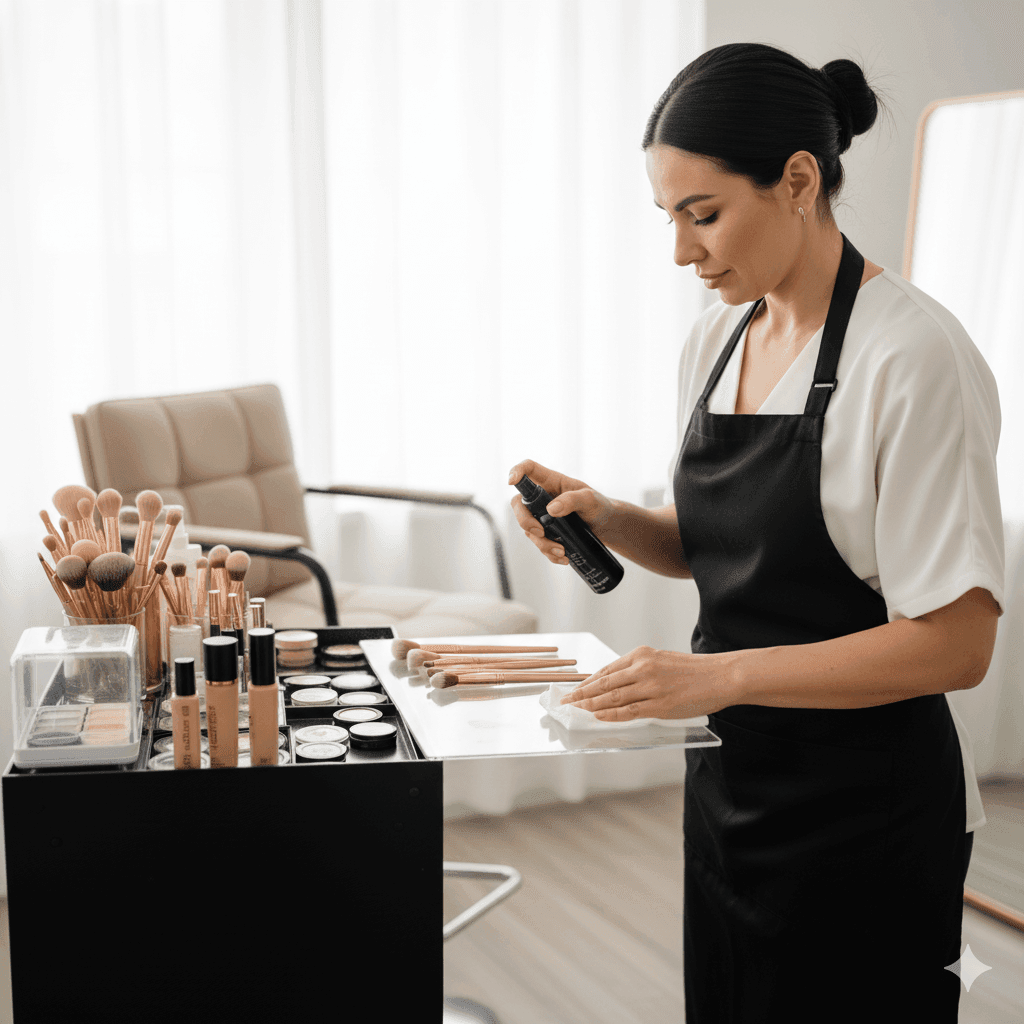
A clean workspace shows your client that they’re in safe hands. Before each session, sanitize all surfaces and tools.
Workstation Hygiene Steps:
Wipe down your table or makeup chair with disinfectant wipes or spray.
Use fresh disposable towels or clean cloth for each client.
Keep a small dustbin with a lid for used tissues, cotton pads, etc.
Store products neatly — avoid cluttered setups.
Clean mirrors regularly to maintain a professional look.
Pro Tip: Create a small “hygiene station” with sanitizers, wipes, tissues, and brush cleaner within reach.
3. Makeup Brushes and Tools — Your Main Weapons
Dirty brushes are the biggest cause of skin irritation, acne, and cross-contamination. That’s why brush cleaning should be a daily ritual for every serious artist.
Brush Hygiene Checklist:
Clean brushes daily using a gentle brush cleanser or mild baby shampoo.
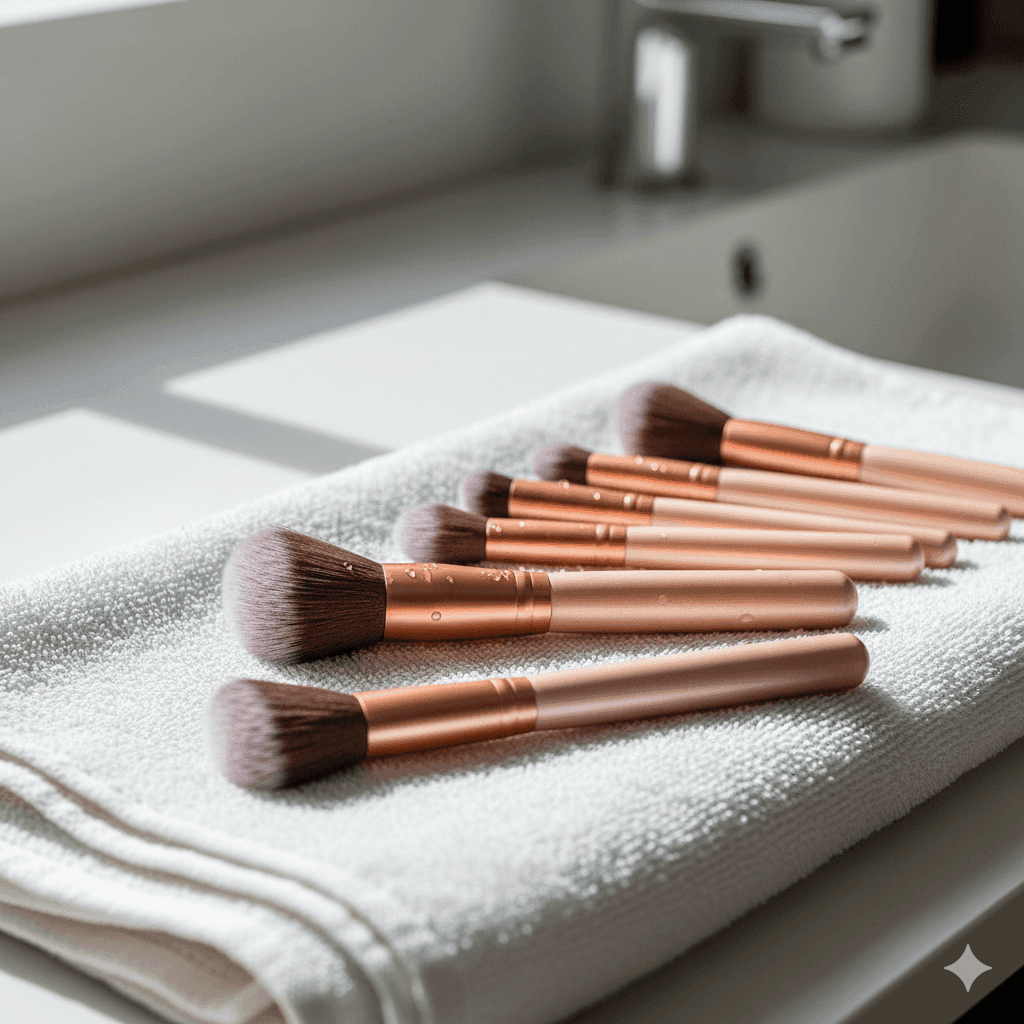
Rinse thoroughly and dry brushes on a clean towel — never store them wet.
Use separate brushes for foundation, eyes, and lips.
Avoid sharing brushes between clients — even if cleaned halfway.
Disinfect brushes with 70% isopropyl alcohol spray after every use.
Pro Tip: Keep two sets of essential brushes so you always have a clean backup ready during back-to-back bookings.
4. Product Hygiene — Keep Your Kit Germ-Free
Makeup products can easily become breeding grounds for bacteria — especially cream and liquid formulas. Proper handling ensures they remain safe and long-lasting.
Product Hygiene Rules:
Never double-dip: Use a spatula or palette to scoop out products instead of dipping brushes directly.
Label your products: Write the date of opening and discard after expiry.
Close lids tightly to avoid air exposure.
Use pump bottles or droppers instead of open jars.
Sanitize palettes with alcohol spray after each use.
Don’t blow on brushes or powders — it spreads bacteria.
Pro Tip: Keep small travel-sized products for clients with sensitive or acne-prone skin.
Certain tools should never be reused, no matter how clean they look.
Must-Be-Disposable Items:
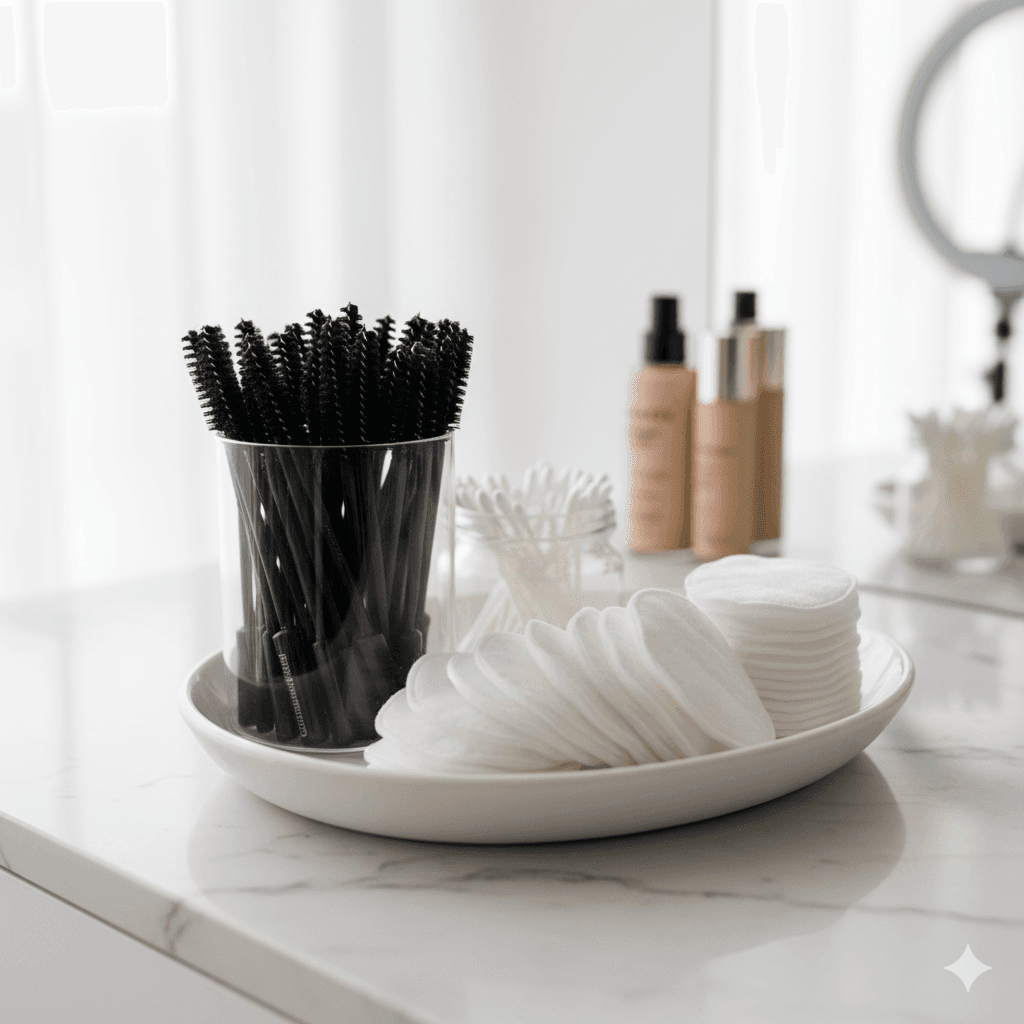
Mascara wands
Lip gloss applicators
Eyelash spoolies
Cotton pads and buds
Tissues
Makeup wedges (unless washable)
Eyelash glue applicators
Pro Tip: Buy disposable wands and applicators in bulk — they’re affordable and show clients you care about hygiene.
6. Sanitization Between Clients
When you have multiple clients in one day (like during weddings), proper sanitization between sessions is crucial.
Between Clients Hygiene Routine:
Wash your hands thoroughly.
Disinfect brushes and tools using alcohol spray.
Replace all disposables (sponges, wands, cotton).
Wipe your workstation and chair.
Refresh air using mild disinfectant spray or sanitizer mist.
Pro Tip: Keep a “client hygiene checklist card” to tick off before every new appointment — it helps build discipline and consistency.
7. Hygiene for Sensitive Areas (Eyes, Lips, Skin)
These are the most infection-prone areas. Follow these precautions strictly:
Eye Makeup Hygiene:
Always sanitize eyeliner pencils before use.
Avoid sharing mascara or liquid eyeliner.
Never use products directly on inflamed or infected eyes.
Lip Makeup Hygiene:
Use a disposable lip brush or scoop out the product on a mixing palette.
Clean lip pencils with alcohol wipes before use.
Face Makeup Hygiene:
Apply foundation with clean brushes or disposable sponges.
Avoid using hands directly on the client’s face.
Use a clean spatula for creams and primers.
8. Client Hygiene & Communication
Professional artists educate their clients about basic hygiene too — politely and confidently.
Tips for Managing Client Hygiene:
Ask clients to come with a clean, makeup-free face.
Offer face wipes or micellar water if they haven’t.
Avoid applying makeup on open wounds, acne, or infections.
If the client sneezes or touches their face, re-sanitize before continuing.
Pro Tip: Explain gently why you’re following hygiene steps — it builds trust and makes you look more professional.
9. Makeup Kit Organization — Clean Inside, Professional Outside
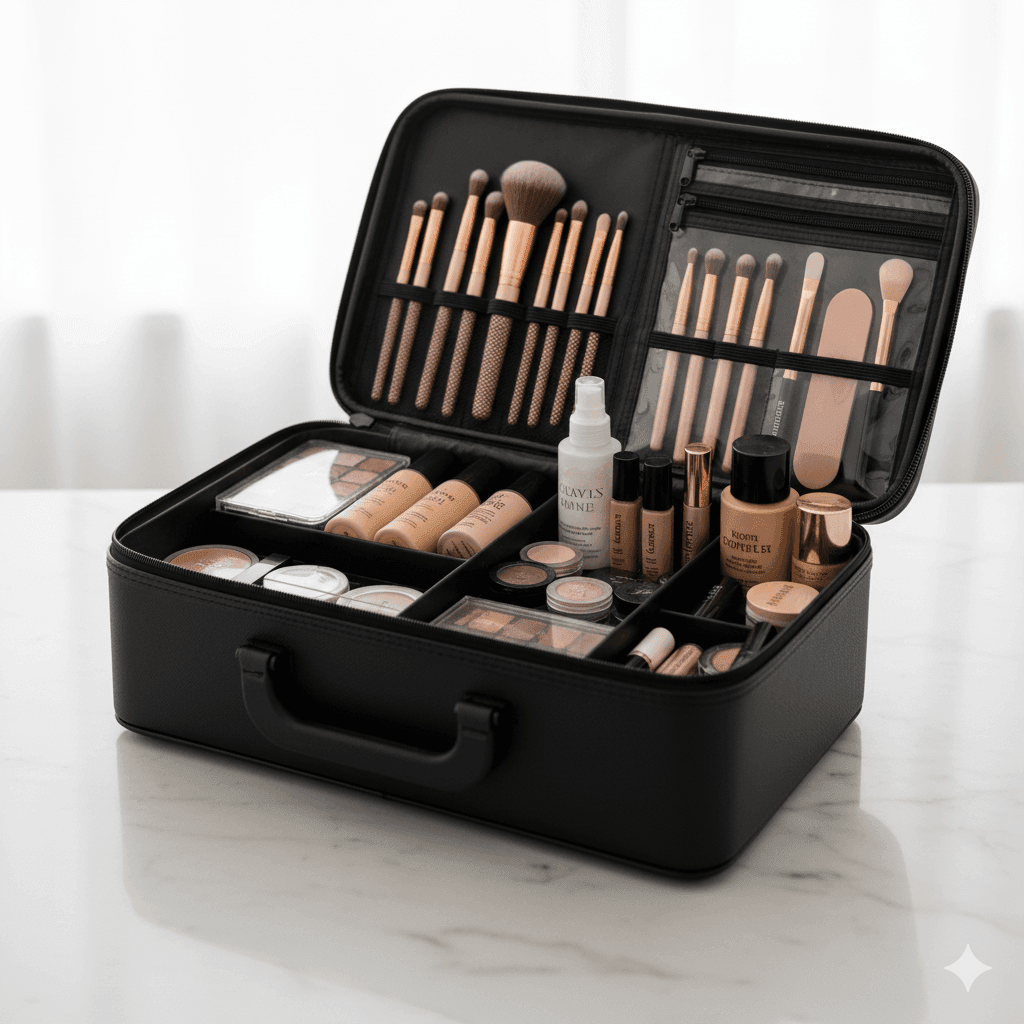
A tidy makeup kit not only saves time but also prevents contamination.
Kit Organization Tips:
Separate sections for brushes, eye products, face products, and lip products.
Use zip pouches or clear containers for easy visibility.
Clean the kit regularly with anti-bacterial wipes.
Avoid storing dirty brushes or used tissues inside.
Replace makeup bags every 6–8 months.
10. Hygiene During Travel or Outdoor Makeup
When working at weddings, shoots, or outdoor events, you may not have access to a proper studio setup. That’s when portable hygiene matters most.
Travel Hygiene Kit Essentials:
Hand sanitizer
Alcohol spray (70%)
Disposable wipes and tissues
Mini towel or napkin
Small dustbin bags
Brush cleaner
Mask and gloves
Extra disposable wands and cotton pads
Pro Tip: Pack everything in separate pouches labeled “Sanitization,” “Brushes,” and “Makeup.”
11. Health & Safety Standards — Stay Certified
Clients love makeup artists who are not just talented but also trained in hygiene and safety.
Consider short certifications in:
Basic skin and sanitation for makeup artists
Infection prevention in the beauty industry
COVID-safe hygiene (still relevant for sensitive clients)
These add credibility to your portfolio and reassure high-end clients.
12. Regular Deep Cleaning Routine (Weekly & Monthly)
Beyond daily sanitizing, a deep cleaning schedule keeps your entire setup hygienic long-term.
Weekly Tasks:
Deep wash all brushes
Clean makeup bags
Sanitize product bottles
Disinfect your chair and mirror
Monthly Tasks:
Check product expiry dates
Replace old disposables
Wash aprons or uniforms
Clean air filters in your workspace (if studio-based)
13. Hygiene Mistakes to Avoid
Even experienced artists sometimes skip these small but serious things:
Using the same sponge for multiple clients.
Testing lipstick directly on the client’s lips.
Reusing cotton pads or tissues.
Storing brushes without drying completely.
Not washing hands after touching a phone or other surfaces.
Avoiding these habits protects both your client and your professional image.
14. Why Hygiene Matters — Beyond Cleanliness
Maintaining hygiene isn’t just about safety — it’s about trust and brand value.
When clients see how careful you are, they:
Feel safer and more comfortable.
Recommend you to others.
Are willing to pay higher prices for professional service.
Your clean kit = your silent marketing tool.
Conclusion
In makeup artistry, talent brings clients once — but hygiene brings them back again. It’s the hidden foundation behind every flawless look and every happy client.
Follow this Essential Hygiene Checklist for Makeup Artists regularly, and you’ll not only ensure your clients’ safety but also set yourself apart as a trusted, professional artist in your area.