
Biggest Skincare Mistakes for Indian Skin Types and How to Avoid Them
Indian skin types face unique challenges because of hot climate, humidity, pollution, and high sun exposure. From oily and acne-prone skin to dry and sensitive skin, Indian skin requires a different approach compared to Western skincare routines.

However, many people in India follow generic skincare advice that does not suit their skin type or environment. This results in common skincare mistakes that lead to acne, pigmentation, dullness, and premature aging.
In this guide, we break down the biggest skincare mistakes for Indian skin types, explain why they happen, and share practical solutions that actually work.
Understanding Indian Skin Types and Their Needs
Indian skin is generally richer in melanin, which provides natural sun protection but also makes it more prone to tanning, pigmentation, and dark spots. Climate, lifestyle, and pollution further affect how the skin behaves.
Common Indian skin types include:
- Oily skin
- Dry skin
- Combination skin
- Sensitive skin
- Acne-prone skin
Each skin type reacts differently, so following a one-size-fits-all skincare routine is a major mistake.
Assuming All Indian Skin Is Oily
One of the biggest misconceptions about Indian skin is that it is always oily. While oiliness is common, many people have dry or dehydrated skin, especially during winter or in air-conditioned environments.
When people treat their skin as oily by default, they often avoid moisturizer and use harsh cleansers. This damages the skin barrier and triggers excess oil production, leading to breakouts and uneven texture.
Using a moisturizer suitable for your skin type is essential. Lightweight gel moisturizers work well for oily skin, while cream-based moisturizers are better for dry skin.
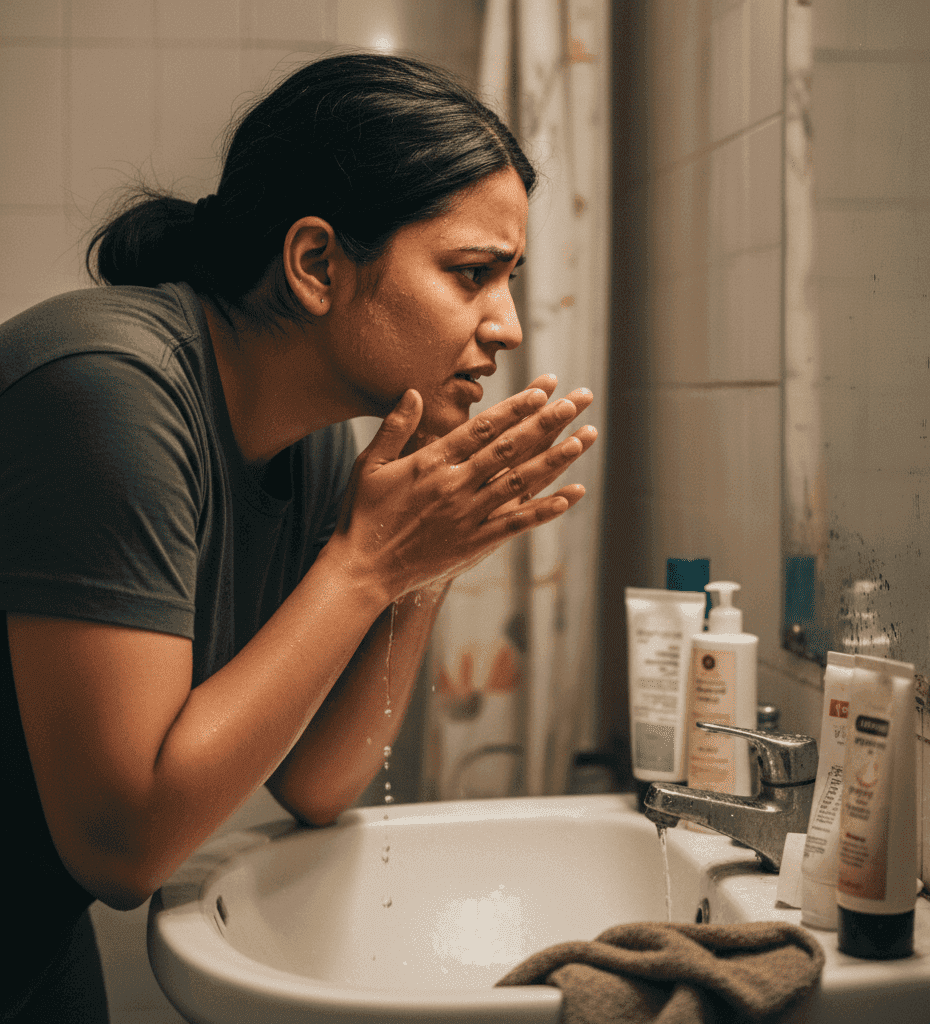
Over-Cleansing and Using Harsh Face Washes
Due to heat, sweat, and pollution, many people in India wash their face multiple times a day. Over-cleansing strips natural oils from the skin and weakens the protective barrier.
This causes sensitivity, dehydration, and increased oil production, which can worsen acne and irritation.
For healthy Indian skin, cleansing twice a day is enough. A gentle, pH-balanced face wash is more effective than strong foaming cleansers.
Skipping Sunscreen in Daily Skincare Routine
Skipping sunscreen is one of the most damaging skincare mistakes for Indian skin. Many people use sunscreen only during travel or outdoor activities, ignoring daily UV exposure.
Ultraviolet rays penetrate clouds and windows, causing tanning, pigmentation, and premature aging even indoors.

A broad-spectrum sunscreen with SPF 30 or higher should be applied every morning as the final step of skincare. Consistent sunscreen use helps prevent dark spots and uneven skin tone.
Using Unsafe Home Remedies on the Face
Home remedies are widely used in Indian skincare, but many popular DIY treatments are harmful. Ingredients like lemon, baking soda, toothpaste, and undiluted essential oils can irritate the skin and cause burns or pigmentation.
Indian skin is particularly sensitive to barrier damage, which makes these remedies risky.
Instead of harsh home remedies, choose mild, skin-safe ingredients or properly formulated products designed for facial skin.
Ignoring Climate and Seasonal Skincare Changes
Indian weather changes drastically across seasons. Using the same skincare routine throughout the year is a common mistake.
Heavy creams can clog pores in humid summers, while lightweight products may not provide enough moisture in winter. Pollution also increases skin inflammation if not addressed properly.
Adjusting skincare products according to season and environment helps maintain healthy skin balance.
Treating Acne Too Aggressively
Acne-prone Indian skin is often treated with strong products, excessive exfoliation, and multiple anti-acne treatments at once.

This damages the skin barrier and increases the risk of post-acne marks and pigmentation, which are common in Indian skin tones.
A gentle routine with targeted treatment, proper hydration, and consistency works better than aggressive methods.
Avoiding Moisturizer for Oily and Acne-Prone Skin
Many people believe moisturizers worsen acne, so they skip them completely. This leads to dehydration and increased oil production, making acne worse.
Oil-free, non-comedogenic moisturizers are essential even for oily and acne-prone skin. Hydrated skin heals faster and stays balanced.
Frequently Switching Skincare Products
Changing skincare products too often prevents the skin from adjusting and increases the risk of breakouts and irritation.
Most skincare products need at least three to four weeks to show results. Sticking to a consistent routine allows the skin to respond properly.
Not Checking Ingredients Before Buying Products
Many skincare buyers focus on marketing terms instead of ingredient lists. Some products contain alcohol, fragrance, or harsh chemicals that irritate Indian skin.
Understanding basic skincare ingredients helps avoid reactions and long-term damage, especially for sensitive skin types.
Expecting Instant Fairness or Skin Transformation
Fairness-based skincare expectations push people to overuse products and try unsafe treatments. Indian skin naturally contains melanin, and skin tone cannot be changed instantly.
Healthy skincare focuses on improving texture, hydration, clarity, and even tone, not changing natural color.
Conclusion: Smarter Skincare for Indian Skin Types
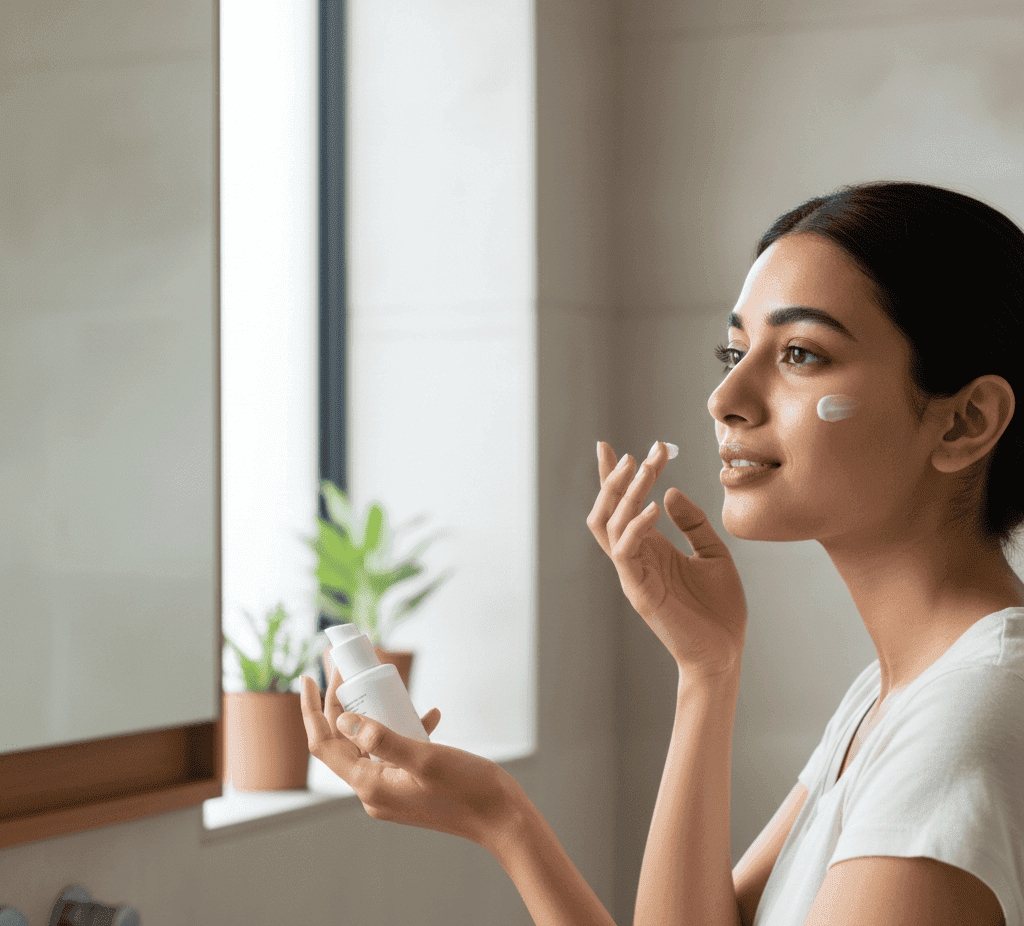
Indian skin does not need complicated or expensive skincare routines. It needs consistency, gentle products, and an approach suited to climate and skin biology.
By avoiding these common skincare mistakes and understanding your skin type, you can reduce acne, pigmentation, and irritation while maintaining healthy skin long term.
Good skincare is about informed daily habits, not quick fixes.